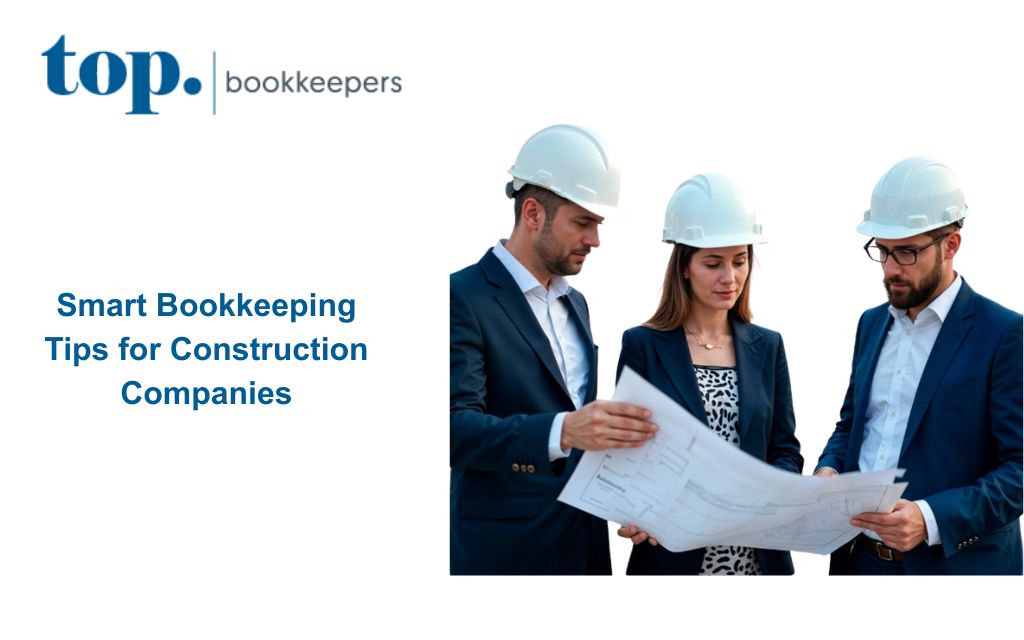
Smart Bookkeeping Tips for Construction Companies: Simplify Your Financial Processes and Stay Organised
Running a construction company is a hard job. One minute you’re managing three different job sites, the next you’re dealing with subcontractors who’re neither showing up nor picking up your calls, and somewhere in between, you’ve got compliance paperwork collecting on top of your desk.
And in this mounting pile of paperwork, bookkeeping’s at the bottom.
But here’s what we’ve learned from working with construction businesses across Australia: the companies that keep their finances organised all the time are the companies that actually grow. The ones still going in mindlessly, with their accounts running solely on good fate? They’re just making their growth difficult.
But don’t worry! You don’t need to become an accountant overnight. You just need some practical systems that actually work for the way construction businesses operate.
Why Bookkeeping Hits Different in Construction
Construction isn’t like running a regular business where things follow a predictable, routine hum of working. Here, your projects stretch over months, sometimes years. Material costs change with the seasons. Labour expenses vary between different projects. Then there is equipment hire that adds up along the way, often unannounced.
Without a proper bookkeeping system, you’re basically left hoping that everything stays in its best shape. But hope is no business strategy.
Good financial records do three critical things for you. First, they keep the ATO happy (because nobody wants that headache). Second, they show you where your money is actually going. Third – and this is the big one – they tell you which projects are genuinely profitable versus which ones just keep you busy without the payback.
That’s where construction bookkeepers who actually understand the industry come into the picture.
The Stuff That Keeps Construction Owners Up at Night
Every industry has its pain points. Construction? Well, it’s even trickier.
Cash flow feels like a rollercoaster. You hit a milestone, send the invoice, then wait. And wait. Meanwhile, your suppliers want to be paid now, wages are due Friday, and that equipment hire isn’t helping the situation.
Payroll is a nightmare. You’ve got full-time staff, casuals who work irregularly, subcontractors with their own ABNs, and apprentices on different rates. Each group has different super requirements and tax situations. Keeping track of it all manually? That’s asking for mistakes.
Every project is its own beast. The costs of renovating a kitchen are very different from those of building a commercial extension. If you’re lumping everything together, you’ll never know which types of work actually make you money.
Compliance doesn’t forgive errors. Miss a BAS lodgement or get your GST calculations wrong, and the penalties are going to be painful. All ATO cares about is financial compliance and regulations, not if you were too busy on-site to sort your paperwork.
This is exactly why having a bookkeeper for your construction company changes everything. Professional bookkeeping services have seen these problems before and know how to handle them.
Practical Tips That’ll Actually Help
1. Keep Your Project Finances Separate
This one’s simple but very important. Don’t mix your project finances together, and definitely don’t mix business and personal money.
Set up separate tracking for each major project. Suddenly, you can see which projects are profitable and which ones are eating into your margins. You’ll make better decisions about what work to accept and what to avoid.
2. Get Software That Actually Understands Construction
That basic accounting software might work fine for a retail shop, but construction needs something built for the job. Look for platforms designed specifically for builders or add-ons that work with systems like Xero.
Good construction software automates your invoicing based on milestones, handles complicated payroll without the headaches, tracks expenses against specific jobs, and connects with your project management tools. Trying to force a generic software to do a job it wasn’t designed for will never play out well.
3. Cash Flow Needs Constant Attention
You probably already know this, but money affects a construction business faster than almost anything else.
Here’s what works: forecast what’s coming in and going out for each project. Don’t wait until a job’s finished to share the invoice – negotiate progress payments with your clients. Try to collect outstanding invoices quickly (the longer you wait, the harder it gets). And check your cash position every week, not just when it’s time to make a payment.
Quality bookkeeping services set up forecasting systems that warn you about problems before they become disasters.
4. Sort Out Your Payroll Once and For All
Payroll in construction is rarely straightforward, so stop trying to do it manually.
Bookkeeping services have digital payroll systems that handle all the calculations automatically. Keep crystal-clear records of every subcontractor agreement. Pay people on time – late payments destroy relationships faster than anything. And maintain detailed records because the ATO will want to see them eventually.
5. Know What Every Project Actually Costs You
This is where a lot of construction businesses face a roadblock. They make a guess of the total costs or dive in with just a rough idea, but they often skip or miss the additional costs hidden in the details.
Record everything: materials (even the small purchases that seem insignificant), equipment hire and fuel, every labour hour from your team and contractors, permits and insurance, waste removal. Then compare what you actually spent against what you budgeted. When costs start to add up, you’ll be prepared early instead of discovering the problem after the damage is done.
6. Stay Right with the ATO
Compliance isn’t something exciting, but it’s nothing optional either.
Keep your GST records current. Lodge your BAS on time, every single time. Store all your receipts and invoices (cloud storage makes this much easier than boxes in the shed). Document your deductions properly so you’ve got backup if questions come up.
Professional construction bookkeepers stay on top of ATO requirements so you can focus on actually building things.
7. Invoice Fast, Get Paid Faster
There’s a direct connection between how quickly you invoice and how quickly you get paid. Simple as that.
Send invoices the moment you hit a milestone. Use digital invoicing tools because they’re faster than paper and easier to track. Make your payment terms crystal clear from the start. Include all the details the first time so you don’t have to go back and forth. Follow up on overdue accounts professionally but persistently.
8. Watch Your Profit Margins Like a Hawk
Revenue means nothing if you’re not making a profit. You need to understand your margins.
Review how each project is performing while it’s actually running. Compare actual costs to your budget. Look at your profit margins per job. Figure out which types of work are most profitable for your business. These insights help you bid smarter on future work instead of underquoting and regretting it later.
9. Move Your Bookkeeping to the Cloud
Cloud systems give you access to your money anywhere – on-site, in the office, at a client meeting, even at home on Sunday night when you’re thinking about Monday’s expenses.
You get real-time information instead of waiting for someone to update spreadsheets. Your bookkeeper, accountant, and project managers can all work from the same data. Everything backs up automatically. And you don’t have to sort out piles of papers for information anymore.
10. Get Professional Help
Look, you became a builder because you’re good at construction. Nobody expects you to be brilliant at bookkeeping, too.
The right bookkeeper for any construction company needs to bring industry knowledge that a generic accountant does not have. They handle compliance so you don’t have to stress about it. They save you hours every week. They catch mistakes before they become expensive. And they give you insights about your finances that help you make better business decisions.
Outsourcing bookkeeping services doesn’t mean you are financially weak. It’s simply smart business.
Tools That’ll Make Your Life Easier
You need the right equipment on a job site, right? The same goes for your financial management.
Job costing systems track expenses for each project automatically. Digital timesheets record labour hours across all your sites accurately. Expense management apps let you photograph receipts instantly before they fade or get lost. Automated reminders make sure you never miss an invoice or BAS lodgement deadline.
Once the system’s property set, you’ll find you’ve saved countless hours every single month.
What Actually Changes When You Get This Right
Construction companies that sort out their bookkeeping see real differences. Your expenditures become predictable instead of stressful. Compliance stops being something you worry about. Everyone can see how projects are tracking financially. You make decisions based on actual data instead of gut feelings. Your profit margins improve because you’re not losing money to disorganisation. And growing your business becomes possible because you’ve got solid financials and more time in hand.
That’s the difference between a business that’s surviving and one that’s actually thriving.
Your Action Plan
Why this matters for construction specifically:
See, construction projects are complex. You’ve got constantly fluctuating prices and timelines that stretch over months or years. Without proper tracking, you’re losing money and don’t even realise it until it’s too late.
The challenges you’re dealing with:
- Cash flow that depends on milestone payments
- Complicated payroll across different worker types
- Separate cost tracking for each unique project
- Strict compliance requirements with actual penalties
What to do about it:
- Separate finances for each project so you know what’s profitable
- Use construction-specific software built for how you work
- Forecast cash flow and chase payments actively
- Automate payroll to reduce errors and save time
- Track every project cost against your budget
- Keep proper ATO records and lodge everything on time
- Invoice immediately using digital tools
- Monitor profitability weekly, not just at project end
- Move to cloud-based systems for anywhere access
- Work with professional construction bookkeepers who get your industry
So, what’ll you gain from all of this? Better cash flow. Less compliance stress. Clear visibility across all projects. Smarter decisions. Higher profits. Real growth potential.
Ready to Stop Being Tangled in Spreadsheets?
Smart bookkeeping is all about simple, managed finances despite the stakes involved. And with proper digital setups, the right software, and professional support, your finances will be running smoothly while you focus on actually building great stuff.
So, if you’re tired of managing complicated, unorganised spreadsheets and looking to put in a proper account system, talk to experts who understand construction and its complexities.
Get in touch with Top Bookkeepers today.
FAQs
1.How can a construction bookkeeper help improve cash flow management for builders and contractors?
Construction bookkeepers keep tabs on what’s coming in and going out for each project, follow up with clients who are slow to pay, and give you early warning when cash might be limited. You won’t have any surprises when payroll’s due.
2.What financial reports should a bookkeeper for a construction company provide regularly?
Reports like weekly cash position updates, profit reports for each job, how actual costs stack up against what you budgeted, who owes you money and for how long, plus monthly tax summaries. Basically, everything you need to run things properly without drowning in numbers.
3.Can a professional construction bookkeeper handle everything from payroll, BAS, and subcontractor payments?
Yeah, they can sort all of it. Wages, super, tax withholdings for your crew, BAS lodgements when they’re due, subcontractor payments with proper documentation – you name it. They take the whole admin headache off your plate so you can focus on actual building work.
4.How do I choose the right bookkeeper for my construction company?
Find someone who’s worked with builders before and gets how job costing works. They should know construction compliance inside out, use cloud software you can check from anywhere, and give you useful reports regularly – not just put numbers on spreadsheets and disappear.
5.What are the common bookkeeping mistakes construction companies should avoid?
Lumping all project costs together, waiting too long to invoice after milestones, losing track of small purchases that add up fast, using manual systems where mistakes happen easily, and ignoring cash flow problems until they’re already biting you – these are some crucial, but common mistakes happening within construction companies. Also, not figuring out which jobs actually make money and which ones only take an input without a substantial output.
6.How can construction bookkeepers help manage job costing and project budgets effectively?
They track what each job’s actually costing you in real time, notify you when expenses are crossing the set threshold so that you still have time to fix it, and show you patterns – like which types of projects consistently make you good money versus which ones just keep you busy without returns.
Related Blogs
Bookkeeping Services in Melbourne: How Local Bookkeeping Services Support Growing Businesses
Running a Melbourne business means dealing with ATO compliance, GST, and BAS headaches. Professional bookkeeping services like Top Bookkeepers take...
Read More
Why Port Macquarie Businesses Need CFO, Bookkeeping & Accounts Management Services for Sustainable Growth
Port Macquarie is an absolutely dream place to run a business. You’ve got the beaches, the lifestyle, and a community...
Read More